Leg veins rarely ask for attention until they do. A twinge at the end of the day, a line of blue veins near the ankle that deepens with time, a patch of itchy skin that never quite calms down. I have watched patients carry these signs for months or years before they walk into a vein specialist office. The good news is that venous disease can be evaluated with precision, treated with minimally invasive options, and managed for the long term. The even better news is that an early vein specialist consultation changes the trajectory for most people, often with a single outpatient procedure and a short walk afterward.
This guide maps what to expect from a vein specialist doctor, how a modern vein specialist clinic works, and how to choose a provider who matches your goals, whether medical or cosmetic.
What a Vein Specialist Really Does
A vein specialist doctor focuses on disorders of the venous system, primarily in the legs. These are physicians trained in vascular medicine, interventional radiology, vascular surgery, or related fields who devote a large part of their practice to vein disorders. They evaluate visible veins and deeper circulation problems, looking beyond surface appearance to find the root cause, typically venous reflux. That is the backward flow of blood in veins when valves no longer hold a steady one-way path to the heart.
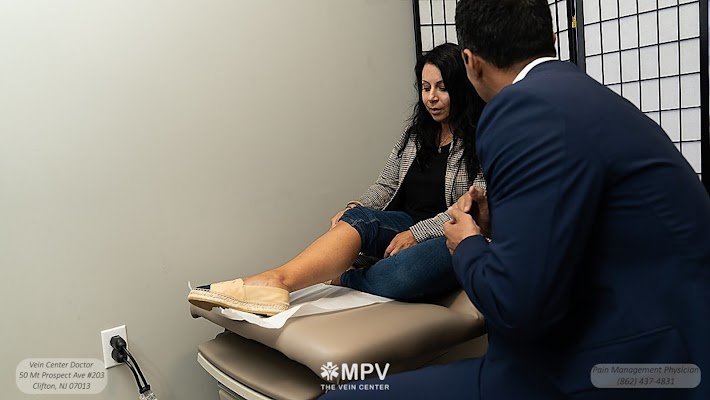
At a vein specialist practice, we diagnose and treat the full scope, from mild spider veins to complicated venous ulcers. The work straddles two domains. One is aesthetic: thread veins and small spider veins that someone wants to fade. The other is medical: aching legs, leg swelling, skin changes around the ankles, restless legs veins at night, and chronic venous disease that can lead to ulcers if ignored.
In my clinic days, the morning might start with a school teacher who stands all day and now feels evening heaviness, then move to a construction foreman with bulging veins and ankle discoloration, and finish with a runner who notices blue veins after a pregnancy. The thread that ties these visits together is a careful vein specialist evaluation, followed by a customized plan that respects lifestyle and goals.
Why Leg Veins Fail
Leg veins return blood to the heart against gravity. They rely on calf muscle pumps and a series of valves that open and close with each step. When those valves weaken, blood pools, pressure rises in the lower leg, and the walls of superficial veins stretch. That is when you see vein enlargement, vein bulging, and sometimes tender, ropey segments.
Several contributors recur in patient histories. Family history matters, more than most people realize. Hormonal shifts during pregnancy make valves more vulnerable. Jobs that involve long hours of standing or sitting stiffen calf pumps and worsen circulation. Weight gain, prior leg injury, and past blood clots add strain. Time alone can do it too, which is why visible veins often appear in the fourth and fifth decades of life.
Left alone, venous reflux does not always worsen. Some people plateau for years. Others develop skin changes from veins near the ankles, including brownish staining from iron deposits, eczema-like itch, and eventually a fragile patch that can open into a venous ulcer. I mention this not to alarm, but to explain why persistent symptoms deserve a vein specialist assessment, not just a new pair of socks.
Symptoms Worth a Visit
People come to a vein specialist for many reasons. Some do not like how reticular veins look in summer shorts. Others cannot sleep from calf cramps or a heavy, tight ache that builds by evening. Swelling that leaves sock marks by nightfall is common. So are itch and burning over clusters of purple or red veins.
A few symptoms press for faster attention. A warm, tender cord along a vein suggests phlebitis or thrombophlebitis. Sudden swelling in one leg with pain can signal a deep clot. Hard, discolored skin near the ankle, sometimes with a weeping rash, flags advanced venous disease that benefits from prompt treatment.
If you are unsure whether to schedule, a brief screening call with a vein specialist provider or nurse can guide you. Many vein specialist offices offer same day vein consultation slots for new concerns.
What to Expect at a Vein Specialist Appointment
A first vein specialist appointment sets the roadmap. The goal is to learn your symptoms, history, and daily routines. Walking patterns, job demands, pregnancies, prior injuries, and family history all matter. We also ask what bothers you most. The plan for someone seeking cosmetic vein treatment for spider veins is different from a person with leg ulcers.
The physical exam looks beyond the obvious. We check for bulging varicose veins, skin temperature, discoloration, ankle swelling, and small but telling signs such as clusters of visible veins around the inside of the ankle that often point to reflux at a specific junction. We also examine pulses to ensure arterial flow is sound, because compression and certain treatments require adequate inflow.
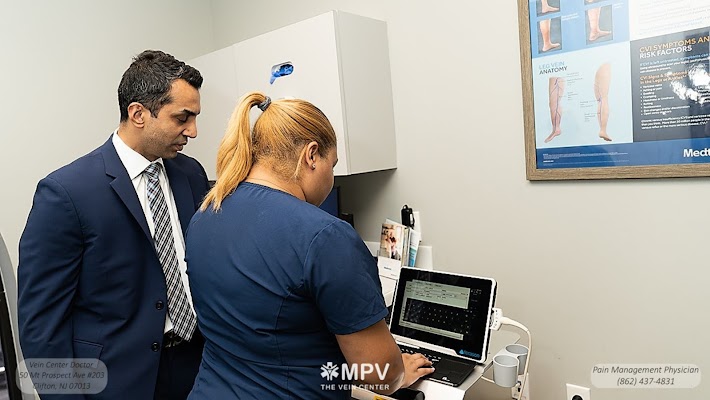
Most patients receive an ultrasound at the same visit, or within a week at the same vein specialist clinic. Ultrasound shows real-time blood flow, maps valve function, and confirms where reflux starts and where it travels. If you hear the term venous reflux or vein insufficiency, it refers to what we can see on this vein imaging study.
Diagnostic Tools That Matter
Ultrasound drives nearly every vein specialist evaluation and assessment. It is safe, noninvasive, and repeatable without risk. A standard reflux study takes 20 to 45 minutes. The technologist places the probe from groin to calf along the saphenous veins and any visible branches. By compressing and releasing the calf, we can see whether valves close as they should. Reflux times help grade severity.
Other tests can appear in special cases. If the leg is markedly swollen on one side, we rule out deep vein thrombosis. Sometimes we look higher, into the pelvis, when symptoms hint at iliac vein compression. Most patients will not need advanced imaging beyond ultrasound to shape a vein treatment plan.
Building a Thoughtful Vein Treatment Plan
The best vein specialist services fit your anatomy, symptoms, and schedule. Good plans start with the cause and then treat the consequences. If reflux in the saphenous system drives your varicose veins, closing that broken highway first prevents recurrences. Once the trunk is handled, smaller branches and spider veins receive attention with microphlebectomy or sclerotherapy.
Many people ask about compression. Graduated compression stockings help symptoms such as leg heaviness and swelling. They also help after procedures to speed recovery and reduce bruising. For some, especially those with mild early vein issues, a period of compression and lifestyle changes is a reasonable first step. But compression alone does not repair a failed valve. That is where minimally invasive procedures step in.
Modern Outpatient Vein Procedures
Treatment today is not your grandparents’ vein stripping. Most procedures happen in the vein specialist office under local anesthesia. You walk in, lie down for less than an hour, then walk out with a bandage and instructions to stay active.
Ablation: Energy closes a refluxing trunk vein so blood reroutes to healthy pathways. This includes endovenous laser treatment and radiofrequency ablation. Through a tiny entry in the calf, a thin catheter slides into the problem vein under ultrasound guidance. After numbing fluid is placed around the vein, energy inside the vein seals it. Success rates for primary trunks usually land between 90 and 98 percent, depending on anatomy and technique. Soreness can last a few days, and most people return to normal activity within 24 to 72 hours.
Medical adhesive: Some patients qualify for a glue technique that seals the vein without tumescent anesthesia. It suits select patterns of reflux and is useful for those who cannot tolerate post procedure heat related tenderness. Insurance rules vary, so a vein specialist provider will outline coverage.
Ambulatory microphlebectomy: For bulging branches that remain after ablation, tiny micro incisions allow removal of ropey segments. Stitches are rarely needed. Bruising can linger a week or two. The cosmetic result is usually excellent because incisions are a few millimeters long and placed along skin lines.

Sclerotherapy: For spider veins, reticular veins, and small residual branches, injections of a medication irritate the vein lining so veincenter.doctorhttps vein specialist NJ it collapses and the body reabsorbs it. Liquid or foam sclerotherapy is chosen based on vein size and location. Sessions take 15 to 30 minutes. Several sessions spaced a few weeks apart may be needed to fade clusters. This is the mainstay for a vein specialist for spider veins or thread veins.
Phlebitis and thrombophlebitis care: When a superficial vein is inflamed or has a small clot, we calm the area with anti inflammatory care, compression, and sometimes targeted treatment of the feeding reflux. A good plan relieves the acute event and lowers the chance of repeat episodes.
Ulcer care: For venous ulcers near the ankle, we pair compression and wound care with treatment of the underlying reflux. Healing rates climb when the pressure source is removed. Expect frequent follow up at first, then spacing as the skin seals.
How Recovery Looks in Real Life
The day after ablation or microphlebectomy, most people can work at a desk job, walk, climb stairs, and do light chores. People who lift heavy loads or work in intense heat often budget a few extra days. Stockings are typically worn for one to two weeks depending on the procedure. Bruising peaks around day three and fades over 10 to 14 days. Tender lumps along treated veins soften as the body breaks down the sealed segments.
After sclerotherapy, spider veins can look darker before they lighten. Matting, the fine blush of tiny capillaries after treatment, can appear in a small percentage and often resolves with time or touch up therapy. Protecting treated areas from sun for a few weeks lowers the chance of lingering discoloration.
What matters most is early movement. A ten to twenty minute walk the day of your procedure helps keep blood flowing well. Car and plane trips longer than two hours are better delayed for a week, or done with breaks to walk, plus stockings.
Judging Results and Long Term Vein Management
Once the treated trunks close and branches settle, symptoms improve quickly. Patients often report less leg fatigue by week one and less swelling by week two. Cosmetically, bulges soften, and color changes around the ankle can lighten over months as pressure falls. Spider vein sessions deliver visible change within weeks, with best results after a series.
Venous disease is chronic for many people. That does not mean constant care. It means smart monitoring. A brief vein specialist follow up ultrasound at six weeks or three months checks closure and maps any remaining branches. Some patients benefit from an annual vein checkup, especially those with a strong family history or prior ulcers. Preventative vein care includes staying active, keeping weight in range, avoiding long bouts of immobility, and wearing compression for travel or long shifts.
When to Ask for Medical Rather Than Cosmetic Care
The line between cosmetic vein treatment and medical vein treatment is not always bright. Insurance policies generally cover care when symptoms and diagnostic studies confirm venous reflux with functional impact. Signs that push a case into medical territory include daily aching legs, leg heaviness, leg cramps at night, leg swelling that worsens by evening, skin thickening or staining near the ankle, venous ulcers, recurrent phlebitis, and documented venous reflux on ultrasound.
If your concern is limited to a small patch of spider veins, that is typically an out of pocket, cosmetic service. Many patients choose to address both in stages, starting with the reflux source to protect function, then following with targeted sclerotherapy for appearance.
Choosing the Right Vein Specialist Provider
Several factors matter when you select a vein specialist doctor.
- Experience that matches your needs. Ask how often the provider treats your specific pattern, such as venous reflux in the great saphenous vein or extensive spider veins. A vein specialist with experience in both medical and cosmetic veins can plan a seamless course. Technology and approach. A vein specialist with modern treatments such as radiofrequency ablation, endovenous laser, medical adhesive, microphlebectomy, and sclerotherapy can match tool to problem rather than fit your leg to one method. On site ultrasound and skilled technologists. A strong vein specialist clinic relies on accurate vein diagnostics. In house imaging tightens the loop between assessment and treatment. Transparent aftercare. Clear instructions, easy access for questions, and planned follow up lower anxiety and improve results. Reputation and fit. Reviews help, but a short conversation matters more. You will work as a team with this provider. Comfort and clarity should be felt in the first visit.
Preparing for Your Vein Specialist Consultation
A little preparation makes the first meeting more useful.
- Bring a list of symptoms with timing, such as when aching peaks or whether nighttime leg symptoms wake you. Note medications and any blood thinners or supplements that affect bleeding. Wear or bring shorts for the exam and avoid heavy lotions on the day of ultrasound. If you have prior imaging or wound photos, bring them for context. Think about practical goals, from hiking without heaviness to fading blue veins before summer.
A Day in the Clinic, From Check In to Check Out
Here is what a typical vein specialist appointment flow looks like in practice. You check in and change into shorts. A nurse documents medications, allergies, and medical history. The doctor listens to your story, examines your legs, and then you move to the ultrasound room. The sonographer maps both legs, even if only one hurts, because normal on one side helps interpret the other.
The provider reviews images with you on the screen. You can watch valves open and close, hear flow with gentle pressure tests, and see reflux when it occurs. Together you decide whether to start with compression, schedule an ablation, or plan sclerotherapy. If your schedule is tight, some clinics can accommodate a same day vein consultation with testing and a procedure on the same day for straightforward cases. Many patients appreciate this efficiency, especially those traveling in from out of town.
You leave with written instructions, a plan for stockings, and a follow up scheduled. Questions are expected. A good vein specialist office welcomes them.
Costs, Insurance, and Practicalities
Coverage varies. When ultrasound confirms venous insufficiency and symptoms impair daily life, insurers commonly approve ablation of a refluxing trunk and related branch treatment. Documentation of conservative care such as compression for a trial period may be required by some plans. Cosmetic sclerotherapy for mild spider veins is usually self pay, with prices per session that range based on region and extent.
Ask directly about out of pocket estimates. A transparent vein specialist provider will outline costs before treatment. If you seek a vein specialist open now or a vein specialist accepting new patients, a quick call clarifies availability and whether your insurance is in network.
Special Scenarios: Pregnancy, Athletes, and Prior Clots
Pregnancy: Vein pressure rises with increased blood volume and hormonal shifts. We mainly manage symptoms during pregnancy with compression and activity because definitive ablation is usually deferred until after delivery. Many postpartum changes improve within three to six months. At that point, a vein specialist evaluation revisits what persists.
Athletes: Endurance training builds strong calf pumps, yet some runners inherit fragile valves. Treatment plans respect training cycles. I often schedule ablation or microphlebectomy during a lighter phase and keep athletes walking during recovery. Most return to low impact cardio within days and running in one to two weeks, guided by comfort.
Prior clots: A history of deep vein thrombosis or thrombophlebitis complicates the map but does not end the conversation. We tailor plans with careful ultrasound, sometimes anticoagulation coordination, and staged treatment.
Safety Profile and Risks, Told Straight
No procedure is risk free. With ablation, the most common effects are soreness, bruising, and numb patches along the treated vein path from nerve irritation that usually fades over weeks. Rare complications include superficial clot extension or skin burns, kept low by experienced hands and meticulous technique. With sclerotherapy, staining or matting can occur, and in rare cases, ulceration at the injection site. Microphlebectomy carries small risks of bleeding, infection, and visible marks that usually blend with skin lines over time.
A careful vein specialist practice minimizes these risks with ultrasound guidance, proper tumescent anesthesia, gentle handling of tissues, and thoughtful vein selection. Post procedure walking, hydration, and stockings help further.
The Value of Ongoing Vein Care
Once treated, veins do not return to their prior role, which is the point. Blood flow improves by rerouting through healthy channels. But because venous disease reflects valve quality and life demands, new problem areas can emerge over years. Periodic vein monitoring lets us catch small issues early. That might mean a quick ultrasound check, a single foam sclerotherapy touch up, or a reminder to resume travel stockings for long flights.
People often ask how long results last. For a closed trunk vein, long term closure rates remain high, often over 85 percent at several years. Spider veins respond well, but new ones can appear with time. Think of vein care as maintenance for vascular health, much like regular dental cleanings protect your teeth.
When to Seek Urgent Help
Most vein issues are managed electively, but some symptoms should not wait. A sudden, painful, swollen calf that is warm to touch needs prompt assessment to rule out a deep clot. A leg ulcer with increasing redness, drainage, or fever merits urgent care. Sudden shortness of breath after calf swelling is an emergency. If any of these occur, call your doctor or go to an urgent care or emergency department without delay.
Final Thoughts From the Exam Room
The most common sentence I hear from patients a month after treatment is simple: I wish I had come sooner. They describe lighter steps, fewer cramps, and legs that feel like themselves again by late afternoon. For others, the mirror is the tell, a clean sweep of formerly red veins along the thigh or a quiet ankle that no longer itches.
A strong vein specialist practice meets you where you are. It offers a thorough vein specialist assessment, a clear vein treatment plan, and modern vein specialist services that respect your time. Whether you seek a vein specialist for varicose veins that ache after a shift, a vein specialist for spider veins that show in photos, or a vein specialist for venous disease with swelling and skin change, the path to healthier legs begins with a conversation. Walk into a reputable clinic, ask your questions, and let an experienced team help you get back to what your legs are meant to do.